If you are thinking about living in Covington, WA, you are probably asking a simple question: what does everyday life actually feel like here? That is an important question, especially if you want a home that fits your routine, commute, and weekend habits. Covington offers a suburban setting with key shopping corridors, a strong parks system, and community gathering spaces that shape daily life in practical ways. Let’s dive in.
What Living in Covington Feels Like
Covington is a small South King County city with an estimated 2024 population of 21,567 across 5.93 square miles. It has a suburban layout, and the city’s numbers point to a community where many residents own their homes and commute to work.
The owner-occupied housing rate is 78.9%, the median owner value is $637,300, and the median household income is $134,502. The mean commute time is 33.4 minutes, which helps explain why convenience, access to errands, and recreation matter so much in day-to-day life here.
Shopping in Covington
Covington Runs on Key Corridors
One of the first things to know about Covington is that it does not function like a traditional small town with a historic main street. Instead, shopping and errands are organized around major roads and commercial corridors.
City planning documents point to downtown Covington as the main commercial area, with Highway 18 and SR 516 running through the city center. For most residents, the shopping spine is centered around SR 516, SE 272nd Street, Wax Road, and Covington Way SE.
Errands Are Easy to Group Together
Covington’s retail pattern is practical for daily life. The city’s downtown planning ties the area’s activity to major retail anchors such as Costco, Walmart, and the Post Office.
The market study also notes that retail is the predominant commercial building type in the study area. Large tenants and national chains are common, while smaller businesses tend to cluster in strip retail centers nearby.
That means many errands in Covington can feel straightforward. You are often driving to a concentrated commercial area rather than making several separate trips across town.
A Town Center Is Still Taking Shape
Covington is also working toward a more defined Town Center. The city’s downtown plan describes a vision for mixed-use residential, commercial, and office buildings with more pedestrian-oriented streets.
That matters if you are thinking long term about how the city may continue to evolve. Today, Covington’s commercial life is corridor-based, but city planning shows an effort to create a more connected civic and commercial core over time.
Parks and Outdoor Space in Covington
The Park System Is a Daily-Life Asset
Covington’s park system covers more than 130 acres, which is a meaningful amenity in a city of this size. According to the city, the system includes walking paths, sports courts, picnic areas, waterways, and BBQs.
For many buyers, that translates to more than just weekend recreation. It means there are built-in places for walks, casual outings, and outdoor time close to home.
Notable Parks and Trails
The city specifically names these parks and open spaces:
- Covington Community Park
- Crystal View Park
- Founders Park
- Friendship Park
- Gerry Crick Skate Park
- Jenkins Creek Park
- Jenkins Creek Trail
- Rainier Vista Open Space
- Wingfield Open Space
These spaces help define Covington’s lifestyle. Instead of one central destination, you have a network of parks and open spaces that support a suburban rhythm.
Covington Community Park Stands Out
Covington Community Park plays an especially important role in civic life. In addition to serving as a recreation space, it is also used for community events, including a city notice for CovTownPride.
That kind of shared public space can make a difference when you are trying to understand how connected a city feels. It gives residents a place to gather for events, seasonal activities, and local recreation.
The Covington Aquatic Center Adds Year-Round Value
Another major amenity is the Covington Aquatic Center. The city describes it as an indoor swimming pool facility offering recreational swims, water exercise classes, swimming lessons, and more.
For buyers comparing suburban communities, indoor recreation can be a real quality-of-life benefit. It adds another layer to daily routines, especially during colder or wetter months when outdoor options feel less predictable.
Community Events and Civic Gathering Spaces
Founders Park and Town Center Lawn Matter
Covington’s daily life is not only about errands and commuting. It also includes community gathering spaces that bring residents together in a city without a traditional downtown.
The Town Center Lawn is a 7-acre civic site at 17070 SE Wax Road, across from Founders Park and less than half a mile from Kent Kangley, SE 272nd Street, and SR 516. The city uses this space for maker’s markets, park pop-ups, drive-in movies, and other events.
This is a helpful clue about what living in Covington feels like in practice. Shopping, civic life, and local events overlap in the same general part of town, which gives the city a functional center even as its long-term downtown vision continues to develop.
Covington Days Is a Local Tradition
The city says Covington Days Festival has been a community staple since 1986. It is centered on family fun and community spirit, which shows how local events continue to shape Covington’s identity.
If you want a suburb that offers both practical convenience and recurring community activities, this is an important part of the picture. It suggests that Covington is not just a place to live between commutes, but also a place where civic traditions have staying power.
Housing and Lifestyle in Covington
Single-Family Homes Shape the City
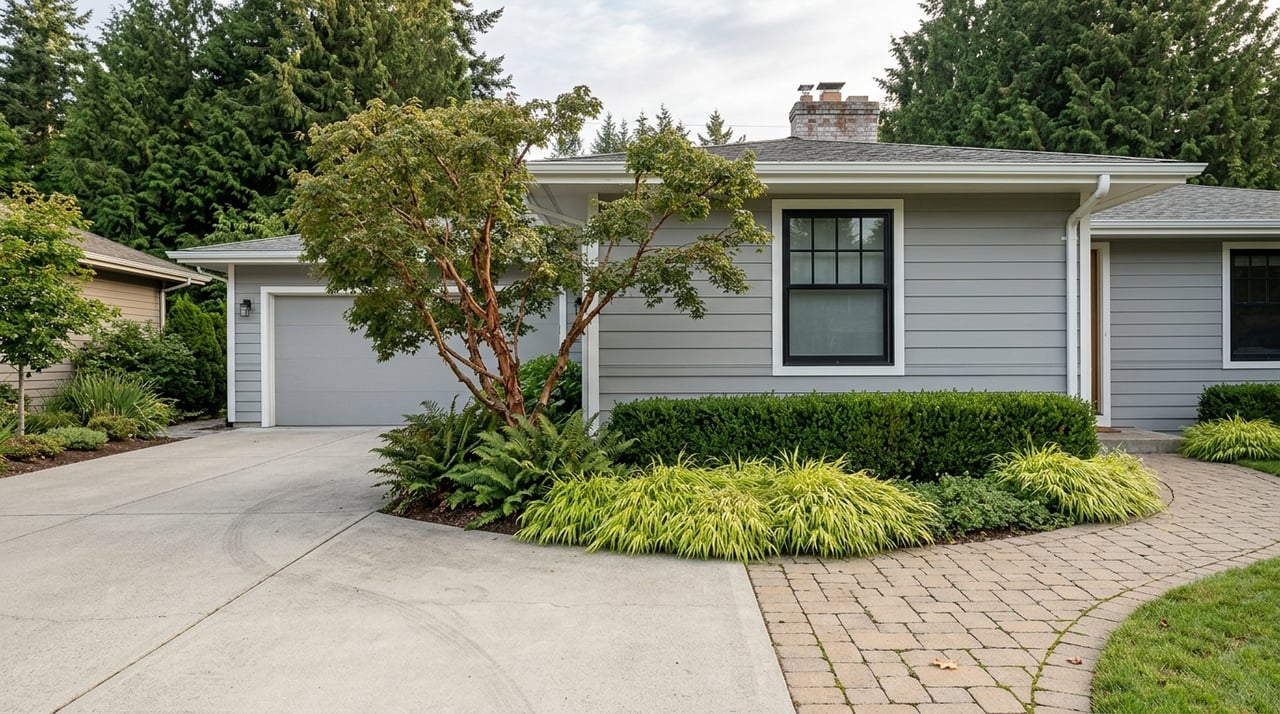
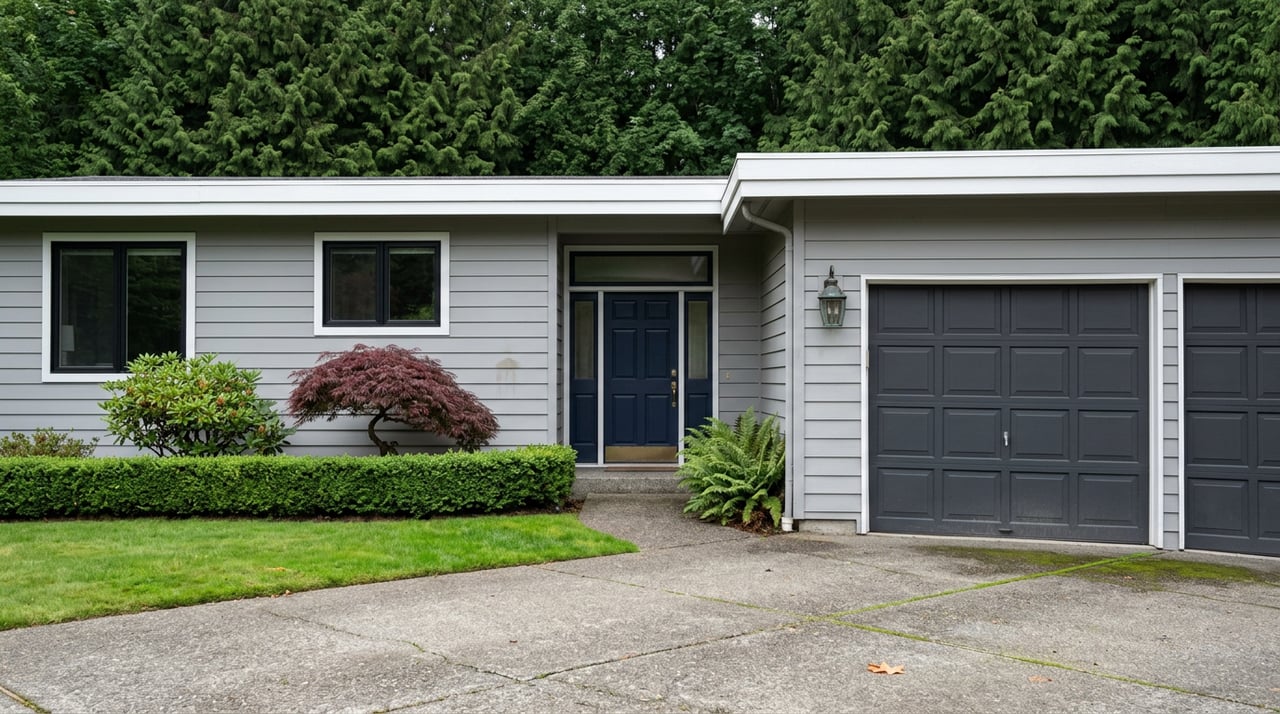
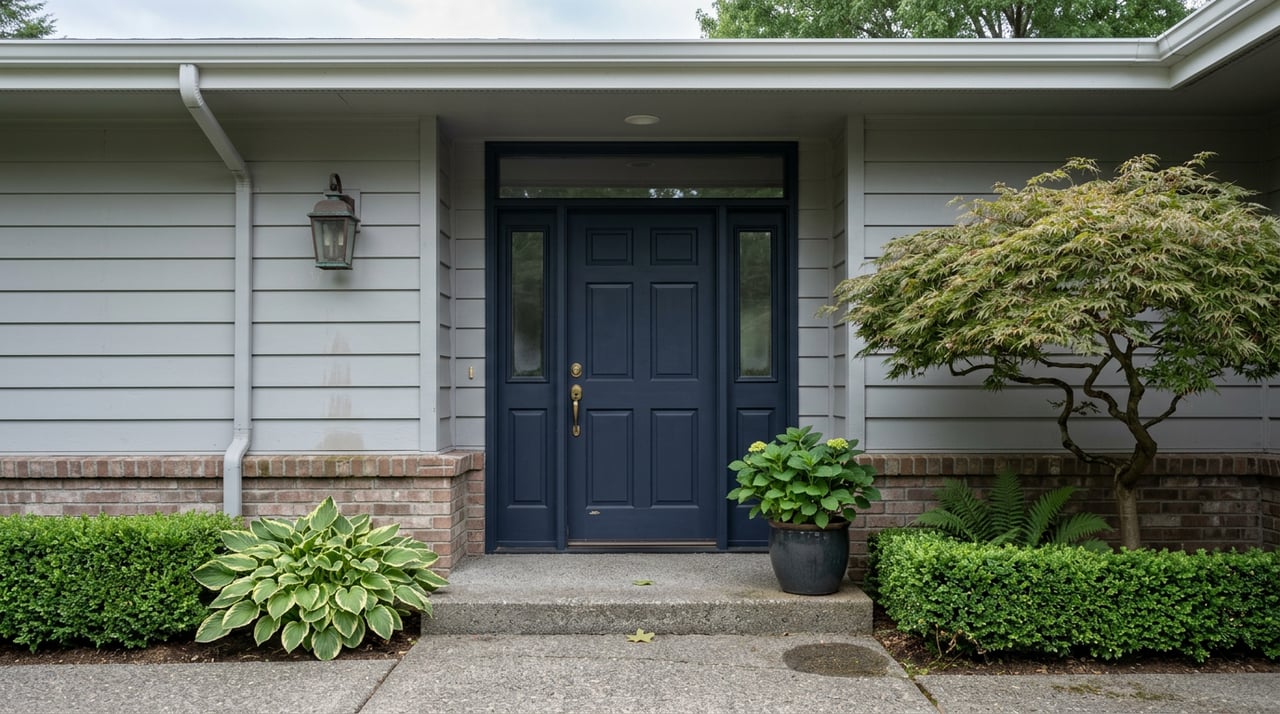
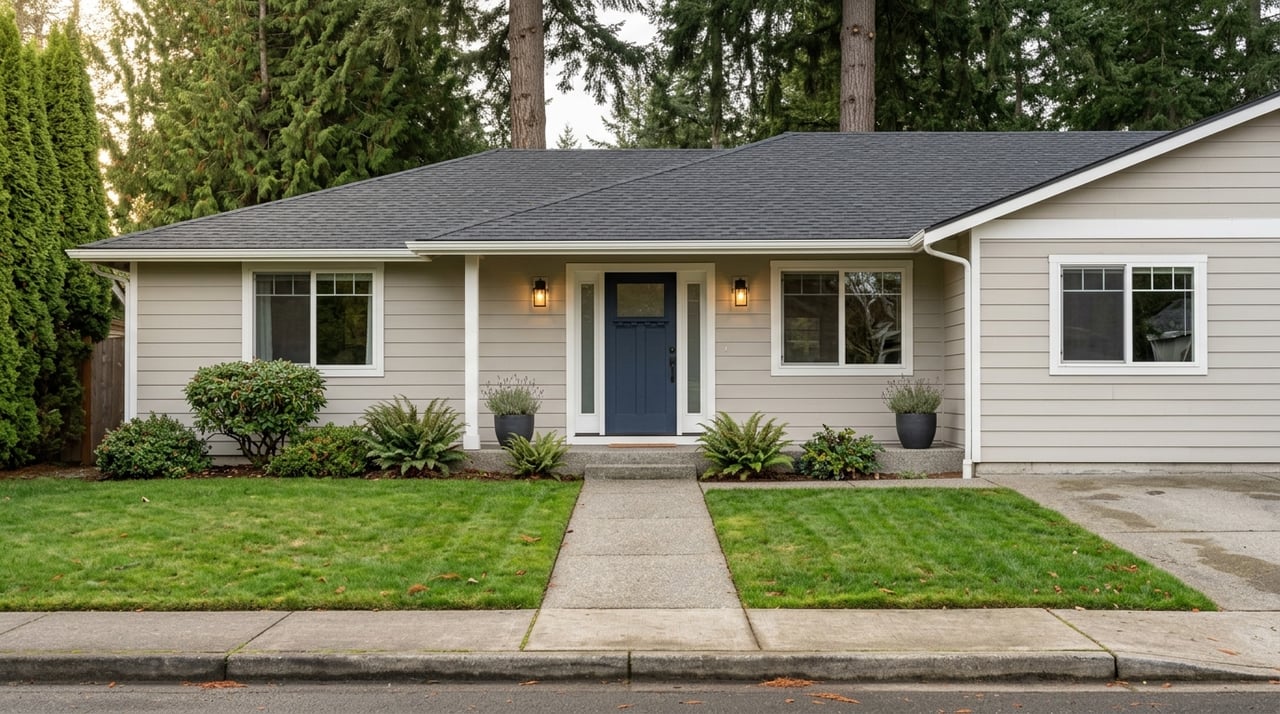
Covington is still primarily a single-family city. The city’s 2020 market study found that single-family homes made up 87% of the housing stock.
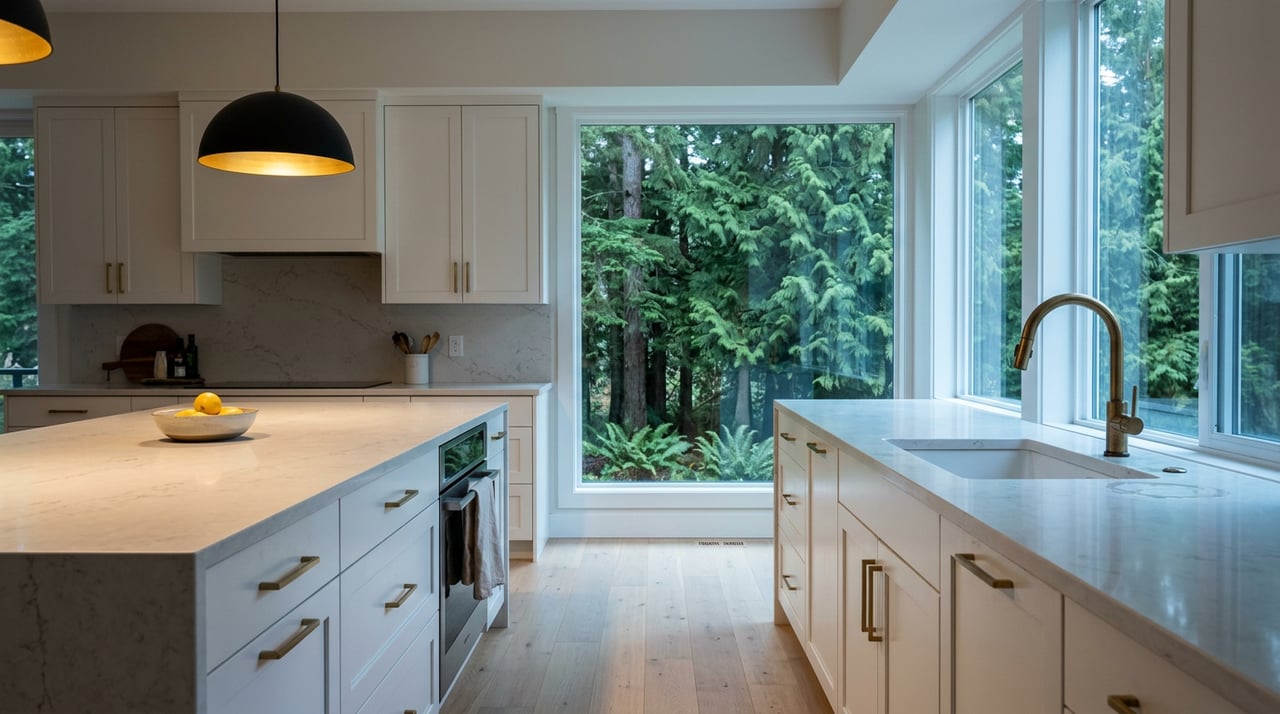
That is one of the clearest facts about the city’s overall character. If you picture quiet residential areas and a suburban feel, the housing mix supports that impression.
Denser Housing Clusters Near the Core
The same market study shows that denser housing is concentrated closer to the Town Center and the Wax Road and SE 272nd corridor. It documented multifamily rental communities including Covington Place Senior Apartments, Allegro Apartment Homes, Affinity at Covington, Polaris at Covington, and Novo Apartments.
The study also identified proposed or planned projects in that corridor, including The Goraya, The Station by Vintage, and Wax Road Assisted Living. In practical terms, this means housing type and daily routine are closely connected in Covington.
If you prefer easier access to shopping, services, and civic spaces, the commercial core may offer a different lifestyle than the city’s more single-family residential areas. If you want a more classic suburban neighborhood feel, much of the broader city reflects that pattern.
Future Growth to Watch in Covington
Lakepointe Could Expand Daily-Life Options
North Covington may become more important over time as Lakepointe Urban Village develops. The city says this 214-acre project is planned to include 1,320,000 square feet of retail, more than 1,750 residential units, dining and entertainment, office space, and a 20-acre lake.
That is a major long-term project, and it points to one of the biggest potential shifts in how Covington functions. While today’s activity is concentrated along the established commercial spine, Lakepointe could eventually add another mixed-use center for shopping, housing, and recreation.
Why That Matters for Buyers
For homebuyers, future growth can shape both convenience and lifestyle. It may influence where services cluster, how different parts of the city feel, and which areas see the most visible change over time.
Covington’s 2024-2044 Comprehensive Plan also shows that the city is thinking intentionally about land use, housing, transportation, economic development, parks, and utilities. That kind of long-range planning matters when you are buying into a community, not just a house.
Is Covington a Good Fit for Your Lifestyle?
Covington may appeal to you if you want a suburban setting with a strong owner-occupied feel, practical shopping access, and a park system that supports everyday recreation. It may also stand out if you like the idea of living in a city that is growing while still keeping a smaller-community scale.
The clearest takeaway is this: Covington’s daily life revolves around a few important anchors. Those anchors are the Wax Road and SE 272nd shopping corridor, the city’s parks and recreation spaces, and emerging growth areas like Town Center and Lakepointe.
If you are comparing neighborhoods or trying to match your next home to your routine, local context matters. The Tamara Paul Group can help you explore Covington with a clear, practical view of how different parts of the city support the way you want to live.
FAQs
What is daily life like in Covington, WA?
- Daily life in Covington is shaped by a suburban layout, a commuter-friendly routine, concentrated shopping corridors, community parks, and recurring local events.
Where do most people shop in Covington, WA?
- Much of Covington’s shopping and errands are centered around SR 516, SE 272nd Street, Wax Road, and Covington Way SE, where the city’s main commercial activity is concentrated.
Are there parks and trails in Covington, WA?
- Yes. Covington’s park system covers more than 130 acres and includes parks, open spaces, walking paths, sports courts, picnic areas, and the Jenkins Creek Trail.
What types of homes are common in Covington, WA?
- Single-family homes are the dominant housing type in Covington, making up 87% of the housing stock according to the city’s market study.
Is Covington, WA growing?
- Yes. City planning documents point to future growth through the Town Center vision and the planned Lakepointe Urban Village, which is expected to add housing, retail, dining, office space, and a 20-acre lake.