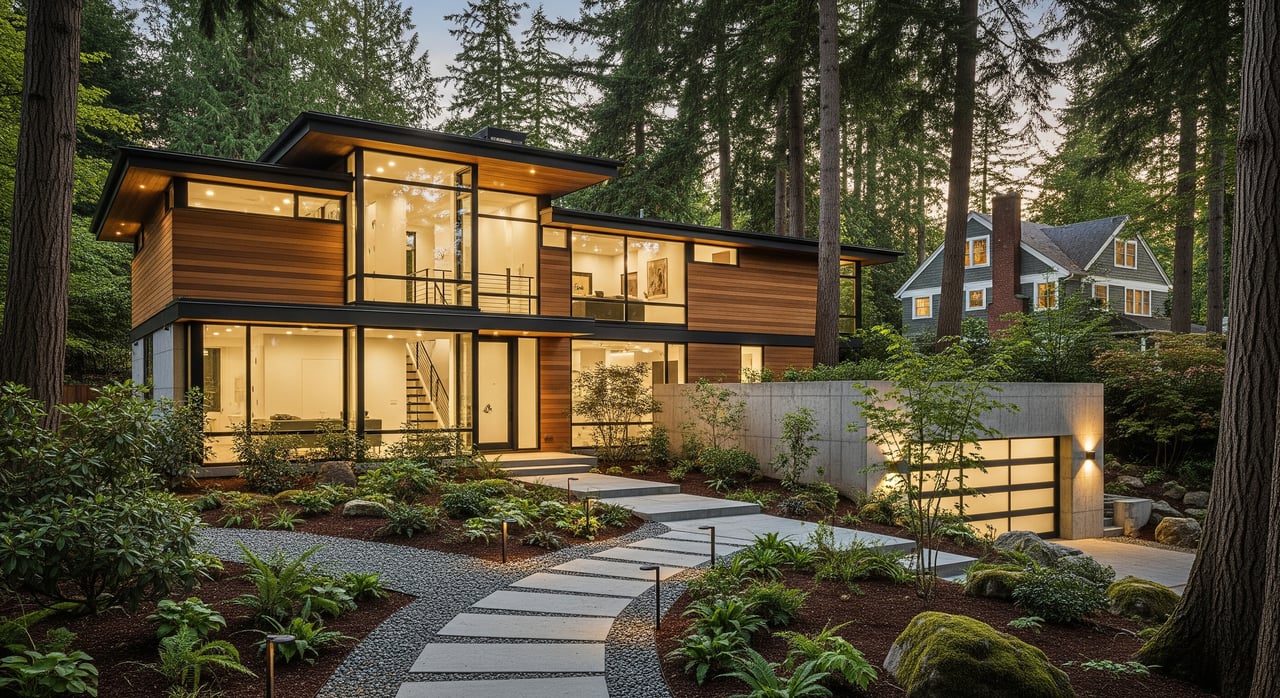
Thinking about moving to Ravensdale but torn between building new and buying a resale home? You are not alone. In a semi-rural area like Ravensdale, the choice carries unique trade-offs around timelines, permits, septic and wells, and site conditions. In this guide, you will learn how new construction and resale compare on timing, inspections, warranties, costs, and negotiation, plus a simple decision framework to help you choose with confidence. Let’s dive in.
New vs. resale: what to expect
Ravensdale sits in unincorporated southeast King County, known for larger lots, small subdivisions, and a mix of older rural homes and newer builds. Many parcels rely on on-site septic systems and private wells, and some include wetlands, streams, or steep slopes. These elements can affect budget and timing, especially if you plan to build.
Buying a resale home gives you speed and clarity. You can see the house, inspect it, and plan your move. Building new offers modern systems, a clean slate, and customization. It also adds pre-construction due diligence, permitting, and potential site work that can stretch your timeline.
Timeline differences
Resale timing
Most resale purchases close in about 30 to 45 days, assuming standard financing and a clean inspection and appraisal. You will schedule your inspection early in the process. From there, you address repair requests or credits, lock in your loan, and prepare to move in.
New construction timing
If you buy a finished spec home, your timeline can look similar to a resale. If you buy a home under construction, plan for a few months to finish, depending on the stage. For a true custom build, it commonly takes 8 to 14 months after permits are issued, and the pre-permit phase can add several months for studies, septic approval, and site planning.
Key delay risks in Ravensdale
In Ravensdale, pre-construction studies and approvals often drive the schedule. Critical areas like wetlands and streams can require buffers and mitigation. Septic design and well approvals add steps. Weather can slow exterior work in fall and winter. Supply chain and labor trends also affect local build schedules.
Financing differences
Resale purchases typically use conventional, FHA, VA, or USDA mortgages with a straightforward process. Appraisal and loan conditions drive your closing date.
New construction may require a construction loan or a construction-to-permanent loan with staged draws and different underwriting. Down payments can be higher, and rate locks are shorter. If you buy early in a build, budget for rate risk if market rates change before your permanent loan closes.
Inspections and due diligence
Resale inspections
For resale homes, you will order a general home inspection that reviews structure, roof, electrical, plumbing, HVAC, and drainage. Depending on the home, you may add a septic evaluation, well water quality and flow testing, pest inspection, chimney inspection, or moisture and mold testing. Permit history matters, especially for additions, major electrical work, or remodels.
New construction checks
New homes go through county inspections during construction, but you still benefit from independent inspections. A pre-drywall inspection lets you verify framing, electrical, plumbing, and HVAC before they are covered. A final inspection and detailed walk-through create a punch list. If the site has steep slopes or unusual retaining walls, consider a third-party structural or geotechnical review.
Lot-specific issues in Ravensdale
In Ravensdale, the lot often drives the decision and the budget. Confirm critical areas and buffers with mapping and site-specific reports. Evaluate soils, slope stability, and drainage plans. Verify legal road access, recorded easements, and road maintenance agreements. Confirm utility availability and costs to extend service if needed. Review any CC&Rs that may limit clearing, tree removal, or design choices.
Quick due diligence checklist
- Pull the parcel and zoning profile, including any critical-area overlays.
- Order a preliminary title report and review recorded CC&Rs or plat notes.
- Verify utility availability and estimate connection or extension costs.
- Obtain septic and well records or schedule soil logs, perc tests, and water testing.
- For new builds, plan independent pre-drywall and final inspections.
- Confirm all county permits and inspection approvals before closing.
- Get the builder’s written warranty, including coverage and claim steps.
- For resales, request permit history and receipts for major work.
Warranties and protection
Most builders offer layered protection that commonly includes one year for workmanship and finishes, two years for systems like electrical, plumbing, and HVAC, and up to ten years for limited structural defects through a third-party program. Always read the warranty to confirm coverage, exclusions, and how to file a claim.
Washington consumers have state-level protections through general consumer protection laws. If you have concerns about defects, warranty claims, or contract terms, consult an attorney for guidance on your options and timelines. For resale homes, warranties are limited and rely more on inspections, seller disclosures, and sound due diligence.
Negotiation and costs
Price and leverage
Resale sellers may negotiate on price, repairs, credits, or closing costs, especially if the home has been on the market longer. Inspection results can lead to repairs or a credit at closing.
Builders are often less flexible on the base price, but they may offer incentives like closing-cost help, a rate buydown, or upgrade allowances. Spec homes that are complete or nearly complete sometimes come with better incentives than a true custom build.
Hidden new-build costs
It is easy to underestimate site and finish costs. Plan for grading, retaining walls, erosion control, and septic or well work. Budget for landscaping, fencing, window coverings, and sometimes certain appliances. Include driveway paving, mailbox or culvert requirements, and any impact or hookup fees. Ask for a detailed list of what is and is not included in the purchase price.
Taxes and reassessment
New construction is often reassessed after completion, which can change your property tax bill. Plan for potential increases once the home is fully valued. If you buy a resale, review the current assessed value and understand how improvements may affect future assessments.
Decision framework
Use three simple factors to guide your choice: Budget, Timing, and Customization.
- Budget: If you need predictable costs now, a resale with known systems can help. New builds give you control over features but may add site costs and upgrades.
- Timing: If you must move within 45 to 60 days, resale is usually the clearer path. If you can wait and want brand-new, a spec home or custom build could fit.
- Customization: If you care about layout, finishes, and energy systems, new construction offers more control. If you prefer a mature lot and established setting, resale may be your match.
Quick scoring method:
- Rate your urgency to move in from 1 to 5.
- Rate how much customization you want from 1 to 5.
- Rate your comfort with site and permitting risk from 1 to 5.
Higher scores on customization and risk tolerance point to new construction. Higher urgency and lower risk tolerance point to resale. If you land in the middle, consider a recently built resale or a nearly finished spec home for a best-of-both-worlds option.
Local resources
Use these official resources to research lots, permits, and protections:
- Explore permits, inspections, and critical-area requirements on the county’s site at the King County Permitting & Land Use page.
- Review zoning, parcel details, and map overlays with the King County Parcel Viewer.
- Learn rules and records for septic systems and wells through King County Public Health’s On-site Sewage and well guidance.
- Check flood risk for any address using FEMA’s Flood Insurance Rate Maps.
- Review wildfire hazard information with the Washington State Department of Natural Resources wildfire maps.
- Understand wetlands and critical-area guidance from the Washington Department of Ecology.
- See typical builder warranty structures through 2-10 Home Buyers Warranty resources.
- Know your rights and tips from the Washington State Office of the Attorney General Consumer Protection division.
- Review assessed values and tax information with the King County Assessor.
How we can help
Every Ravensdale lot is different. The biggest drivers of cost and time are often below the surface, like septic, soil conditions, and critical areas. Our team helps you scope these items early so you can plan with confidence.
As a community-rooted team, we guide you through inspections, builder documents, and negotiation strategies. We can also connect you with trusted local lenders for construction-to-perm loans, independent inspectors, and other specialists so you have the right support at each step.
Ready to compare your options and map a clear path? Reach out to the Tamara Paul Group to talk through your timing, budget, and wish list. We are here to help you choose the path that fits your life.
FAQs
How long does a custom build in Ravensdale take?
- After permits, many single-family builds take about 8 to 14 months, with extra time often needed upfront for site studies and approvals.
Do I need inspections if the home is brand-new?
- Yes. Schedule independent pre-drywall and final inspections to verify quality and create a punch list, even though county inspections occur.
What should I check on a Ravensdale lot before building?
- Confirm critical areas and buffers, septic feasibility, well capacity, soils, drainage, legal access, and any recorded CCRs or road agreements.
Can I negotiate with a builder on price?
- Builders may resist cutting the base price, but they often offer incentives like closing-cost help, rate buydowns, or upgrade credits, especially on spec homes.
What warranty coverage do new homes usually have?
- Many builders offer one year for workmanship, two years for systems, and up to ten years of limited structural coverage through a third-party program.
How do property taxes change with new construction?
- New homes are commonly reassessed after completion, which can increase property taxes; plan for a higher bill once the home is fully valued.