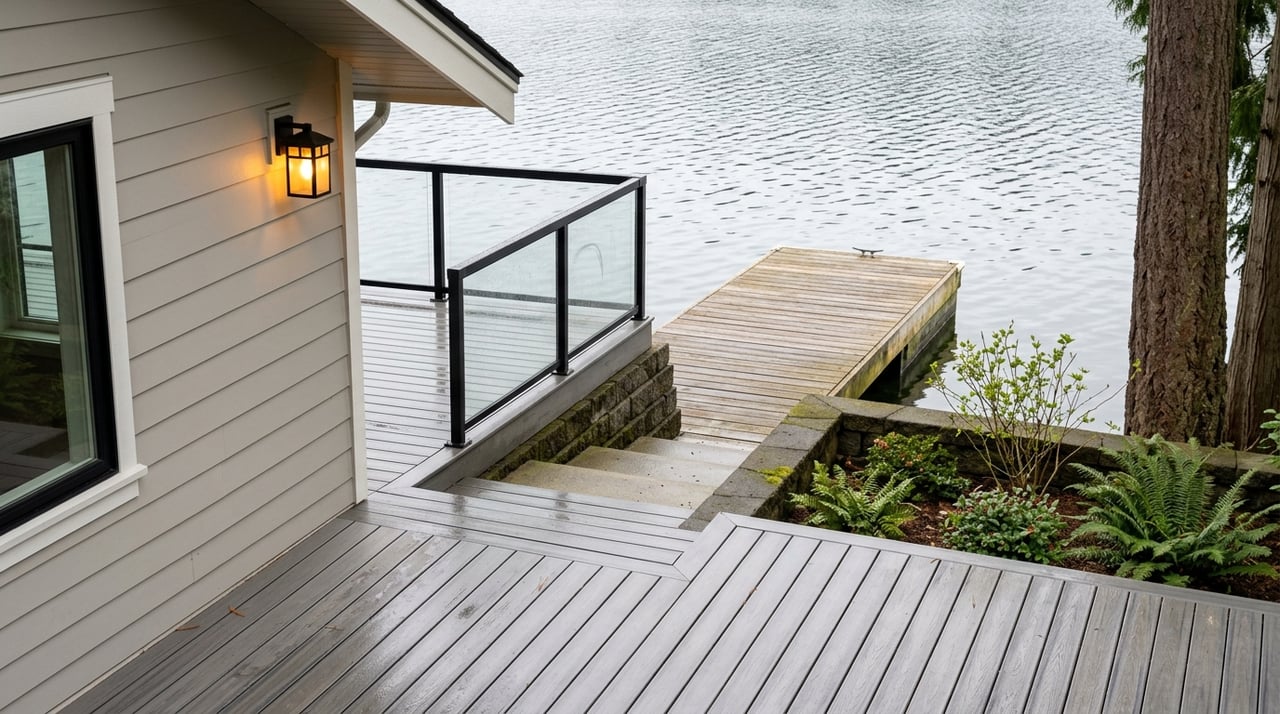
Wondering whether Lake Tapps waterfront living is worth the premium, or if a nearby neighborhood could give you the lifestyle you want for less? If you are weighing direct lake access against budget, upkeep, and day-to-day convenience, you are asking the right questions. The best choice usually comes down to how often you will use the lake, how much complexity you are comfortable with, and what kind of ownership experience fits your life. Let’s dive in.
Lake Tapps Waterfront at a Glance
Lake Tapps is not a simple natural lake with a uniform shoreline. It is a Pierce County reservoir with a shoreline shaped by islands and peninsulas, which means waterfront lots can vary quite a bit in frontage, slope, privacy, and ease of access.
That matters because two waterfront homes in Lake Tapps can offer very different experiences. One property may have a dock-friendly shoreline and broad water views, while another may have more limited access or a layout that affects how you use the water.
What Makes Waterfront Different
Waterfront ownership here is about more than scenery. Cascade Water Alliance manages reservoir levels and owns the reservoir lakebed and shoreline up to the 545-foot elevation line, so shoreline property comes with added rules and oversight.
Pierce County also regulates shorelines under Washington’s Shoreline Management Act and its local Shoreline Master Program. In practical terms, that means a true waterfront home can involve different ownership and project considerations than a nearby inland property.
Waterfront Lifestyle Benefits
If you want the most direct connection to the lake, waterfront has obvious appeal. You may have features like a dock, boat lift, boat ramp, or larger lot, depending on the property.
For buyers who expect to be on the water often, that convenience can be the whole point. Instead of planning around park parking, launch lines, or busy weekends, you may be able to step outside and enjoy the lake from your own property.
Waterfront Ownership Responsibilities
The tradeoff is complexity. Cascade requires a license for new or modified improvements on reservoir property, including docks, boat lifts, boat ramps, boat houses, and bulkheads.
Buyers also need to account for other state and local permits and insurance requirements before construction. If you are considering a waterfront home because you want to add or change shoreline features later, that due diligence should be part of your decision from the start.
What Nearby Neighborhoods Offer
Nearby non-waterfront neighborhoods can still give you close access to Lake Tapps recreation without the cost and oversight that come with shoreline frontage. For many buyers, that creates a strong middle ground between lifestyle and practicality.
You still get proximity to the lake, nearby parks, and the broader Lake Tapps setting. At the same time, you may avoid many reservoir-specific property issues tied to shoreline ownership.
Public Access Still Supports Lake Use
Official public lake access is concentrated at a few main sites. North Lake Tapps Park on the northeast shore offers a boat launch, bathrooms, bank access, and a sandy swimming area, while Allan Yorke Park on the south end also has a launch and dock.
That means you do not have to own waterfront property to enjoy the lake. If public access meets your needs, a nearby neighborhood home may deliver much of the same recreation value at a lower price point.
Convenience Can Be Different
Public access is helpful, but it is not the same as private shoreline use. Pierce County notes that off-site parking is not allowed at North Lake Tapps Park, and during high-use periods it may barricade roads and increase patrols and ticketing near the park.
So if you plan to use the lake often in peak season, think about how much you want to depend on public launches and shared access points. For some households, that is a small compromise. For others, it may become a regular frustration.
Water Levels Matter More Than Many Buyers Expect
One of the biggest differences at Lake Tapps is that the reservoir is actively managed. Summer recreation levels are typically about 541.5 to 543 feet, and Cascade maintains those levels from April 15 through September 30.
In fall and winter, the reservoir is drawn down to about 539 feet for dike maintenance and safety. WDFW also notes that lake levels are normally down throughout winter and early spring, which may limit boat access.
What This Means for Waterfront Buyers
If your dream is year-round backyard boating, it is important to understand that Lake Tapps does not function like a static inland lake. Seasonal drawdowns can change shoreline conditions and affect how and when you use the water.
Cascade has also advised residents in some years to remove boats by mid-October as levels fall. That means water access, storage planning, and seasonal expectations should all be part of your budget and lifestyle decision.
What This Means for Nearby Homes
If you are not relying on a private dock or launch, the seasonal drawdown may matter less. You can still enjoy the setting and use public access during the main recreation season without taking on the same year-round shoreline planning.
For some buyers, that makes a nearby neighborhood the more balanced choice. You get the benefit of being near the lake without tying your ownership experience as closely to reservoir management.
Comparing Cost Beyond the Purchase Price
Budget is often where this decision becomes clear. Recent market data showed a median sale price of about $1.0 million in Lake Tapps, compared with $632,000 in nearby Bonney Lake.
That gap helps explain why many buyers need a real tradeoff framework. Waterfront value is tied not only to views, but also to scarcity, direct access, and the added rules and upkeep that can come with shoreline ownership.
Think in Three Budget Layers
When you compare waterfront vs. nearby neighborhoods, it helps to look at cost in three layers:
- Purchase price: Waterfront homes often command a significant premium.
- Compliance and project costs: Shoreline improvements may require licensing, permits, and insurance.
- Ongoing maintenance: Docks, bulkheads, boat storage, and seasonal water-level planning can add to long-term ownership costs.
A nearby neighborhood home may not give you private shoreline access, but it can offer a more predictable ownership budget. For many buyers, that predictability matters just as much as the list price.
Which Option Fits Your Lifestyle Best?
The right answer depends on how you actually live, not just what sounds appealing during a home search. Waterfront tends to make the most sense for buyers who expect frequent lake use and want direct private access badly enough to justify the higher cost and extra coordination.
Nearby neighborhoods often make more sense for buyers who want to be close to Lake Tapps, enjoy recreation seasonally, and keep maintenance simpler. If your lifestyle is more about proximity than private shoreline control, you may get better overall value inland.
Waterfront May Be Right for You If
- You expect to use the lake often during the main recreation season.
- You want private shoreline access, or features like a dock or boat lift.
- You are comfortable with shoreline rules, permits, and extra oversight.
- You are prepared for seasonal lake-level changes and related planning.
A Nearby Neighborhood May Be Better If
- You want access to the Lake Tapps area without paying the full waterfront premium.
- Public launch and park access would meet most of your needs.
- You prefer a lower-maintenance ownership experience.
- You want to keep your budget more flexible and predictable.
Questions to Ask Before You Decide
Before you choose between waterfront and a nearby neighborhood, take a step back and think about your real priorities. A beautiful property only works if it matches how you plan to live in it.
Ask yourself:
- Will you use the lake often enough to justify the waterfront premium?
- Is a private dock or launch essential, or would public access be enough?
- Are you comfortable with seasonal drawdowns and shoreline maintenance?
- Would a nearby home deliver the same lifestyle benefits at a better overall cost?
These questions can help you move from emotional appeal to a practical, confident decision. That is often the difference between loving a home tour and loving your ownership experience.
Why Local Guidance Matters in Lake Tapps
In a market like Lake Tapps, the details matter. Shoreline geometry, reservoir rules, public access patterns, seasonal water levels, and neighborhood price differences can all affect whether a home is truly the right fit.
That is why it helps to work with a local team that can guide you through both the lifestyle side and the property-specific questions. If you are comparing Lake Tapps waterfront homes with nearby neighborhoods, the Tamara Paul Group can help you weigh the tradeoffs and find the option that fits your goals.
FAQs
Is Lake Tapps waterfront ownership different from owning a home near the lake?
- Yes. Waterfront ownership can involve shoreline regulations, reservoir management rules, and added licensing or permit requirements for certain improvements.
Do nearby Lake Tapps neighborhoods still offer lake access?
- Yes. Public access is available at sites including North Lake Tapps Park and Allan Yorke Park, which offer features such as launches, docks, and swimming access.
Do Lake Tapps water levels change during the year?
- Yes. Cascade maintains summer recreation levels from April 15 to September 30, then lowers the reservoir in fall and winter for dike maintenance and safety.
Is Lake Tapps waterfront usually more expensive than nearby neighborhoods?
- Generally, yes. Current market data shows a meaningful price gap between Lake Tapps and nearby Bonney Lake, reflecting the premium tied to access, scarcity, and property complexity.
What should buyers consider before choosing Lake Tapps waterfront?
- Focus on how often you will use the lake, whether private access is essential, how comfortable you are with seasonal drawdowns, and whether the added costs fit your budget.